Reflecting on our Placemaking Project in China
At the start of Chinese New Year, a time associated with reflection, renewal and looking forward, we launched a five‑part vlog series exploring our most ambitious international project to date. This blog brings together those reflections on the journey, the role we played, the challenges we faced, and what the experience means for our future projects!
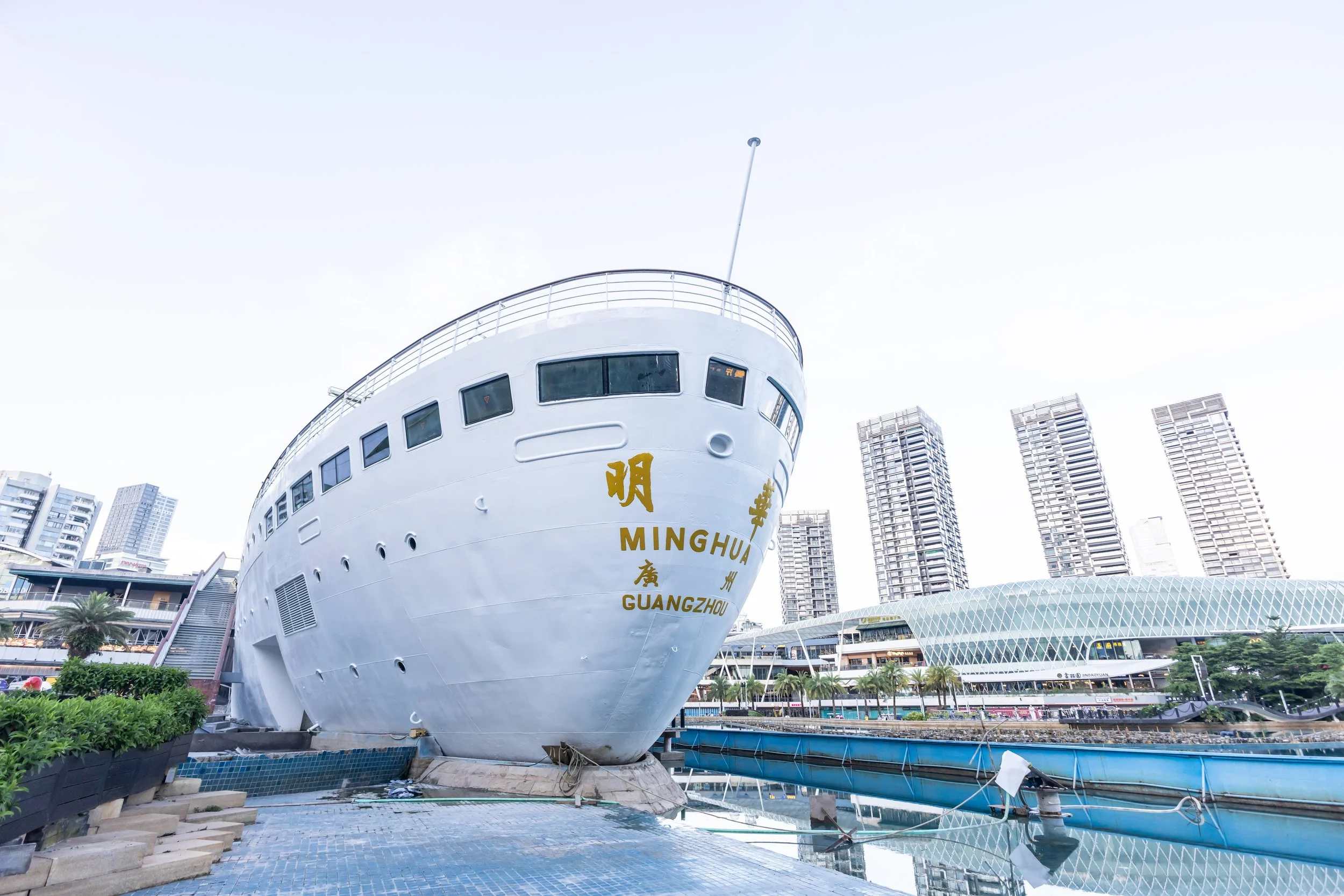
Reflection: A Project Shaped by Place
This project invited us to step beyond the boundaries of traditional theatre and into the world of placemaking. Rather than taking a touring production into an established cultural venue, we were contributing to the creation of identity within a rapidly evolving city.
Working in Shenzhen, China — a relatively young city experiencing extraordinary growth — meant engaging with a place where history is being written all the time. The project formed part of a broader £60m vision to energise the Sea World district in Shekou through a combination of culture, leisure, retail, and hospitality. Positioning the show as one element within a wider experiential destination.
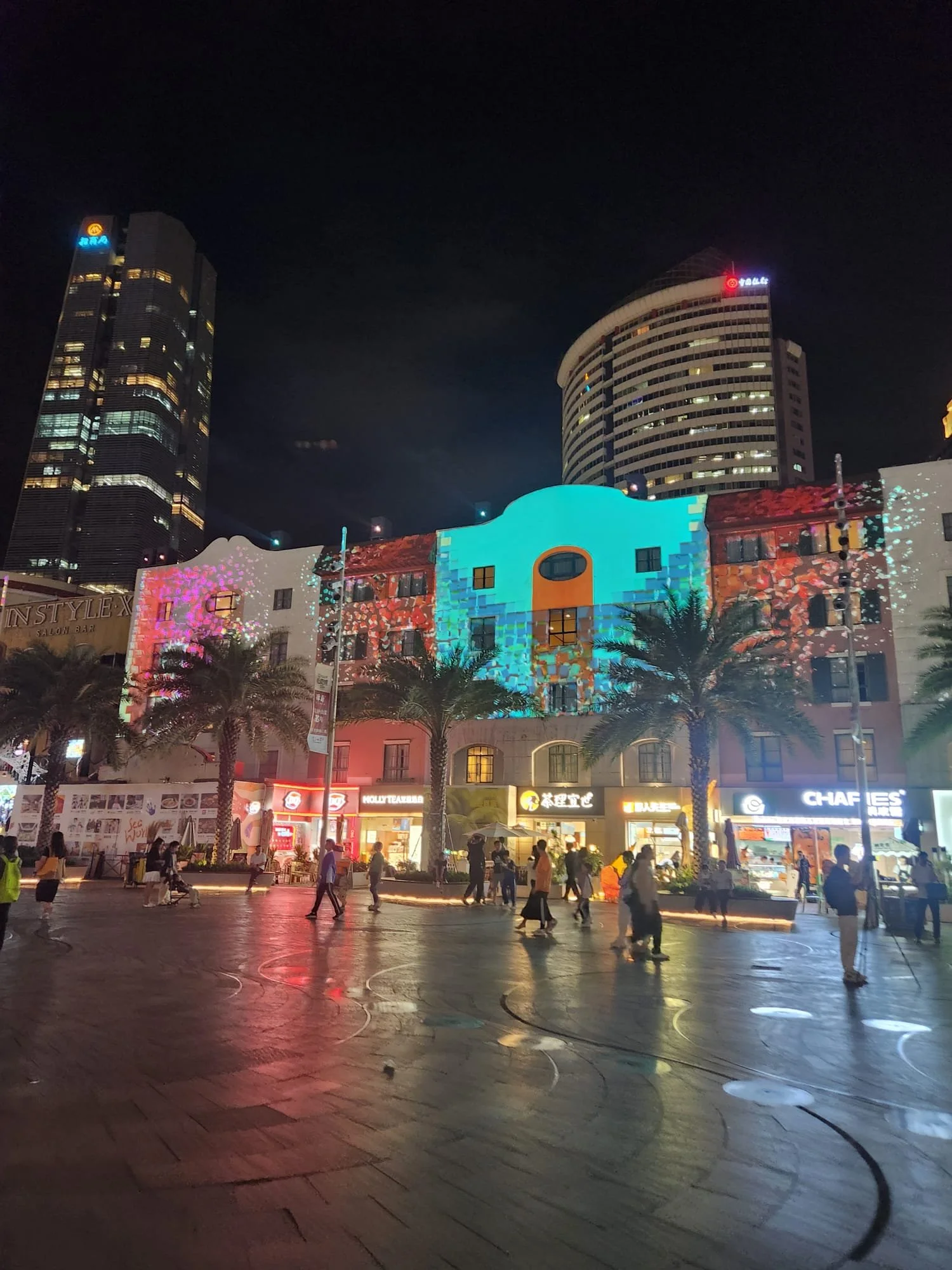
Placemaking: More Than a Show
Creating a show within a placemaking development fundamentally changes the brief. Touring productions arrive in cities with established heritage, architecture, venues and audience behaviours. In contrast, placemaking projects often involve shaping how people will interact with a space, story and venue for the first time.
In this instance, the show acted as the strategic anchor within the wider investment designed to create vibrancy, sustained footfall and secondary spend in the Sea World area. The goal was not simply to present a performance that would launch this refurbishment, but to actively contribute the city’s identity, create long term destination appeal and sustained ecology.
Our Role: Creative Leadership and Structure
Our responsibilities on the project were extensive. We led the creative team, oversaw the design process, cast performers and musicians, managed research and development alongside rehearsals to create the show in the UK, and oversaw the team’s transfer to China. To support the scale and complexity of the project, we established a dedicated UK legal entity through which the production was structured and delivered.
Following the opening, the show was handed over to the local team to embed and sustain within its new environment — a model that required careful planning, documentation and collaboration across cultures and time zones.
As Tiny Dragon, our working dynamic proved essential. Matt focused on medium‑ to long‑term strategic trajectory, while Pippa concentrated on short‑ to medium‑term delivery and team navigation. This balance enabled the project to progress through a lot of unknowns while maintaining clarity of the creative vision.
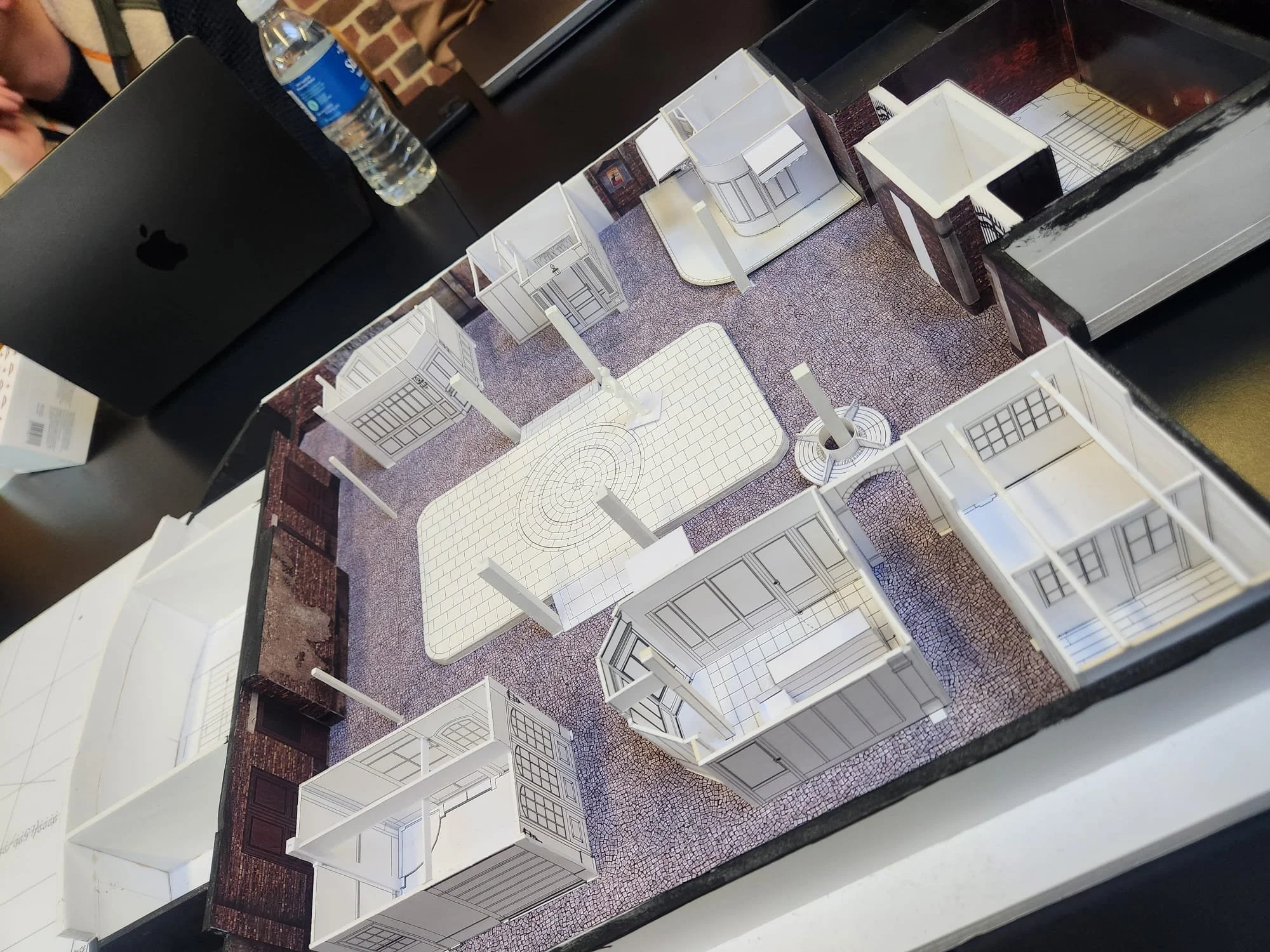
Ambition and Challenge: Designing Beyond the Stage
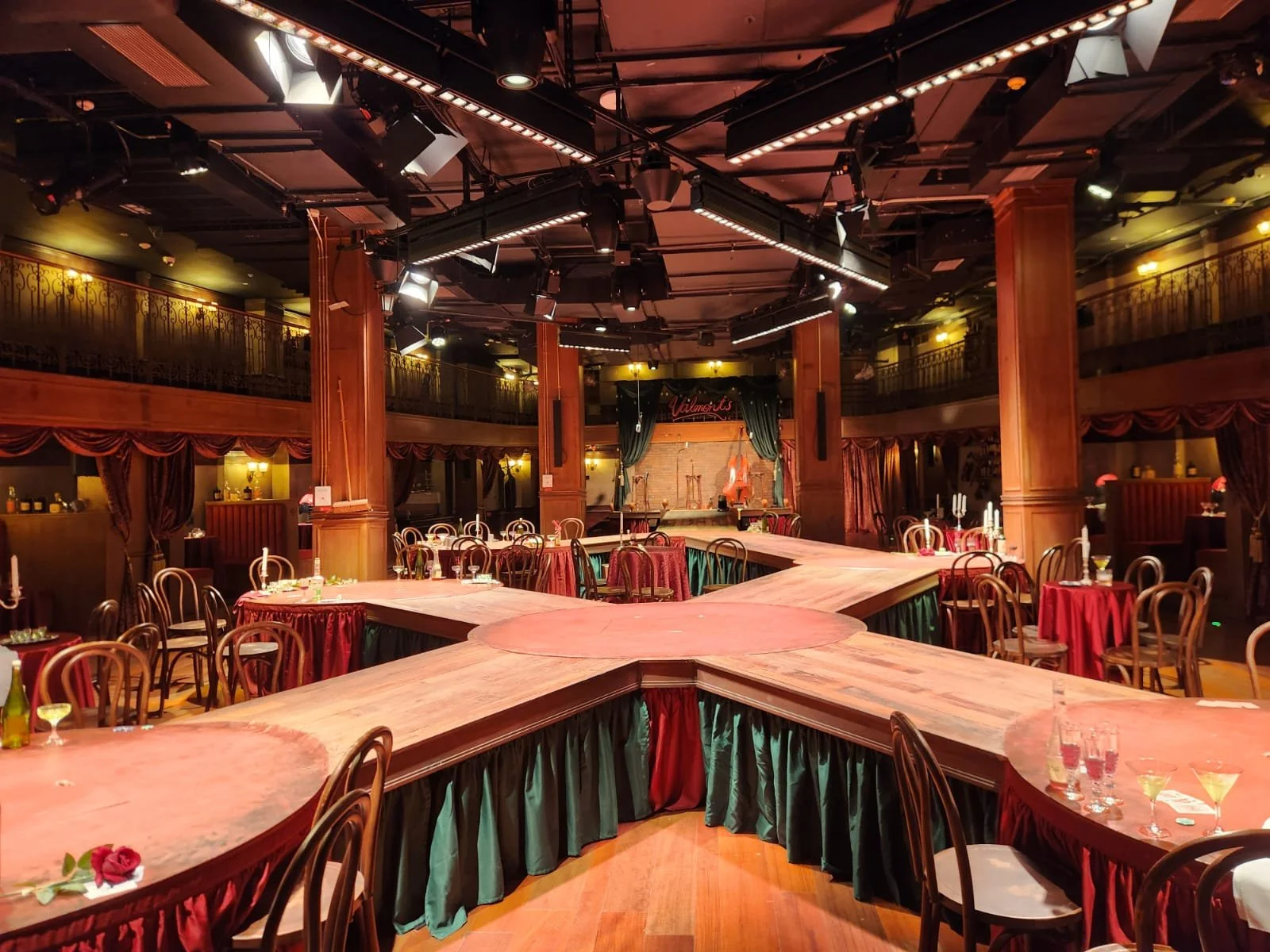
The project’s ambition extended far beyond creating a performance. We were involved in the design of the venue itself, working with what was effectively a completely blank canvas – on one hand giving total creative freedom, and on the other navigating many unknowns and complexities!
The resulting production spans seven decks of the ship, demanding a joined up approach to spatial storytelling, audience journey and technical integration. Designing a show at this scale meant engaging with architecture and operational infrastructure, alongside creative design.
Construction delays represented one of the most significant challenges. Shifting timelines created uncertainty around the opening date, requiring resilient leadership and clear communication to keep a large creative, technical and performance team motivated and aligned.
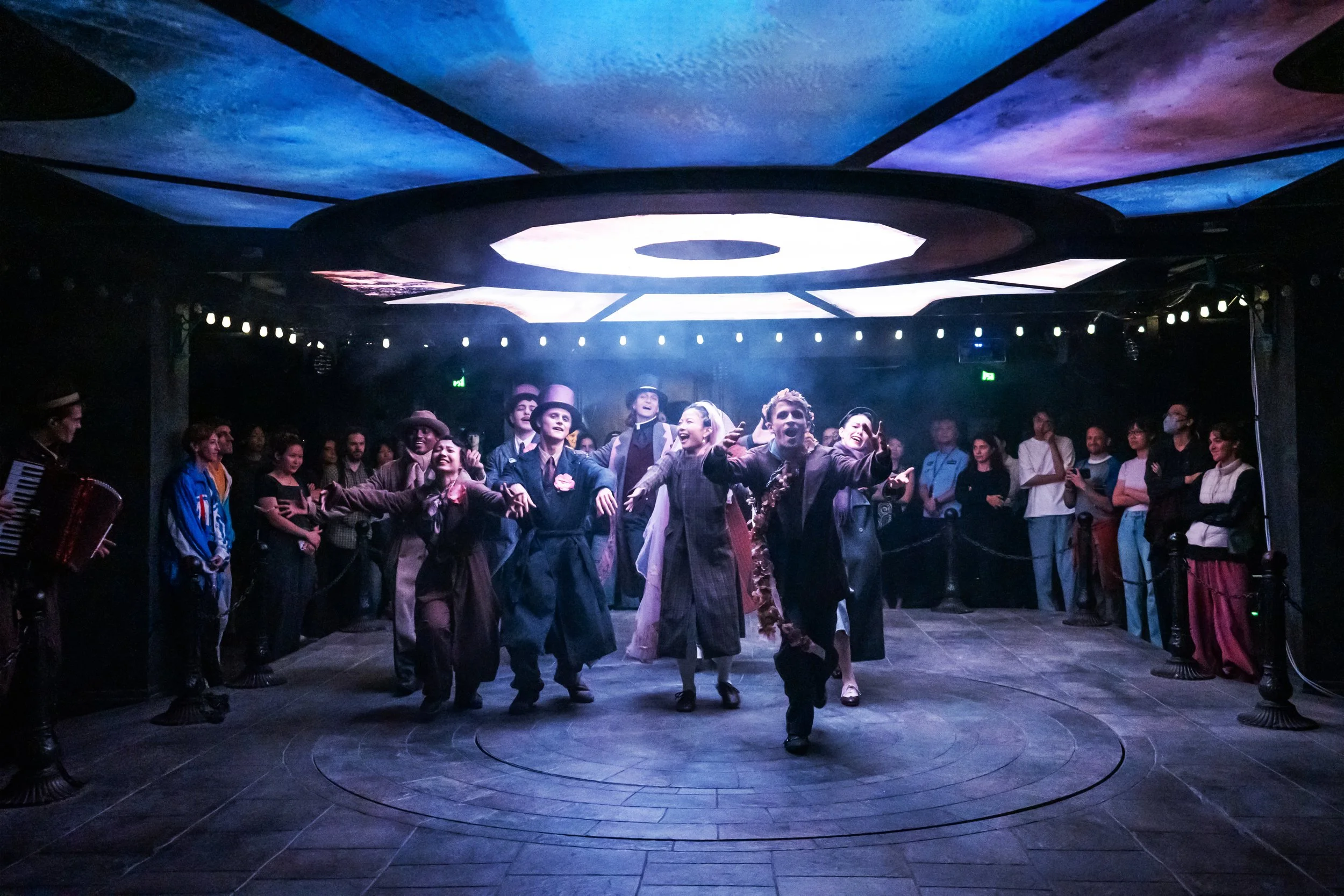
A Unique Opportunity: Theatre Meets Immersion Meets Placemaking
Ultimately, this project stands apart from anything we have previously delivered — and from anything we have encountered elsewhere globally. The combination of a bespoke venue, bespoke show and bespoke placemaking brief created a rare opportunity to merge our theatre producing and immersive expertise at scale.
This integration enabled us to design not only a performance but an experience — one embedded within a wider ecosystem and cultural vision intended to boost tourism and offer audiences a reason to stay, explore and return.
Looking Ahead: What Comes Next
The experience clarified the type of work that most excites us as a company, our ambition to operate at the intersection of theatre, immersion and placemaking, and to collaborate with partners shaping destinations where culture plays a central role.
As we look forward, we’re open to ambitious briefs that challenge traditional boundaries and invite us to help define places through storytelling:
- How do we tell this story in a new and interesting way?
- How do we design an experience rather than a performance?
- How do we bring storytelling, immersion, hospitality and destination thinking together in one cohesive environment?
As the experiential market continues to grow, audiences increasingly seek more than a seat in an auditorium. They want narrative, atmosphere and interaction!